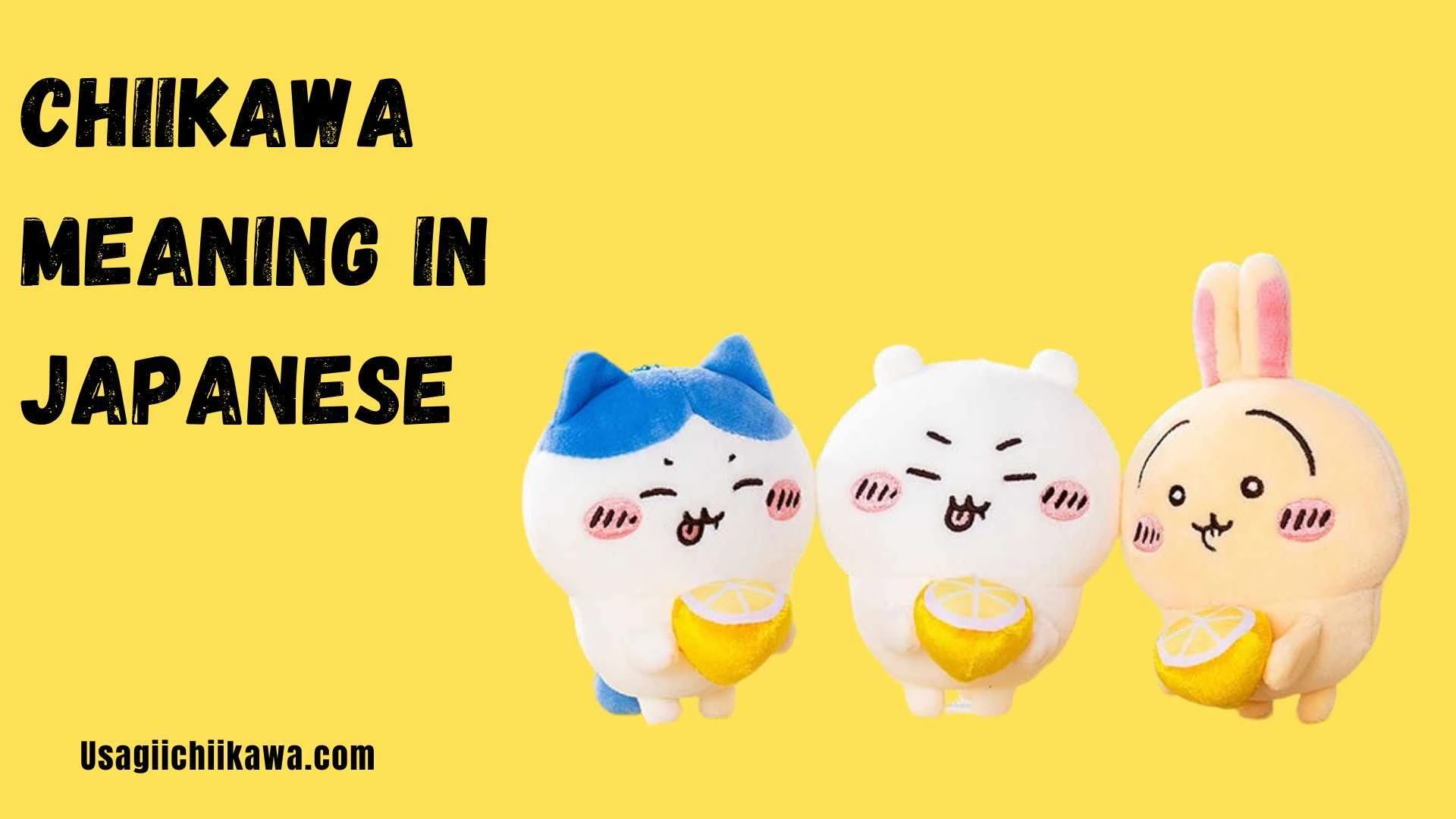
Chiikawa Meaning in Japanese: Full Translation and Etymology Explained
Chiikawa meaning in Japanese is “something small and cute.” The name comes from the full title “Nanka Chiisakute Kawaii Yatsu” (なんか小さくてかわいいやつ), which Japanese illustrator Nagano gave to the manga and anime series. The word “Chiikawa” is a shortened combination of “chiisai” (small) and “kawaii” (cute), creating a compact name that captures Chiikawa’s kawaii essence perfectly.
This guide provides the complete etymological breakdown of Chiikawa, explains what each Japanese word means, covers the meaning behind character names like Hachiware and Usagi, and helps readers understand the linguistic roots of this popular series.
Breaking Down “Nanka Chiisakute Kawaii Yatsu”
The full Japanese title contains 4 distinct words. Here is the Chiikawa’s etymological breakdown:
Nanka (なんか)
Nanka means “something” or “somehow” in Japanese. The word adds a casual, slightly uncertain quality to the title. Japanese speakers use “nanka” in everyday conversation when describing things loosely or casually.
The inclusion of “nanka” gives the title a humble, understated feeling rather than a bold declaration. The title suggests “something that happens to be small and cute” rather than claiming to be the definitive small cute thing.
Chiisakute (小さくて)
Chiisakute comes from “chiisai” (小さい), the Japanese word for “small.” The “-te” ending connects this adjective to the next word in the sentence, functioning as “small and…” in English.
The “Chii” portion of “Chiikawa” comes directly from this word. Japanese speakers immediately recognize the “small” meaning when hearing the series name.
Kawaii (かわいい)
Kawaii means “cute” in Japanese. This word has become internationally recognized through Japanese pop culture, anime, and the broader kawaii-sphere of character goods, fashion, and aesthetics.
The “kawa” portion of “Chiikawa” comes from this word. Combined with “chii,” the name efficiently communicates “small-cute” in just four syllables.
Yatsu (やつ)
Yatsu means “thing,” “creature,” or informally “guy/fellow” in Japanese. The word refers to the small animal cuties that populate Chiikawa’s world.
Using “yatsu” instead of more formal alternatives like “mono” gives the title a casual, friendly tone. The word suggests these creatures are approachable and relatable rather than distant or formal.
The Complete Chiikawa Translation
Putting all 4 words together:
Japanese: なんか小さくてかわいいやつ (Nanka Chiisakute Kawaii Yatsu)
Literal Translation: “Something small and cute creature”
Natural English Translation: “Something Small and Cute” or “A Small Cute Thing”
The English translation loses some subtle Chiikawa nuances from the original Japanese. The casual “nanka” and informal “yatsu” create a specific tone that formal English translations cannot fully capture. This represents one of Chiikawa’s untranslatable aspects that Japanese speakers experience differently than English readers.
How “Chiikawa” Became the Shortened Name
Japanese illustrator Nagano created the Chiikawa webcomic on Twitter in 2020. The full title “Nanka Chiisakute Kawaii Yatsu” proved too long for everyday use, so fans and official sources adopted “Chiikawa” as the shortened form.
The abbreviation follows a common Japanese pattern of combining the first portions of two key words:
Chii (from Chiisakute/small) + Kawa (from Kawaii/cute) = Chiikawa
This naming pattern appears throughout Japanese pop culture. Fans create portmanteau names that capture essential meanings in memorable, compact forms.
Character Name Meanings in Japanese
Each Chiikawa character name carries meaning in Japanese:
Chiikawa (ちいかわ)
Chiikawa’s name directly references the series title, meaning “small-cute.” The character embodies this meaning through appearance and personality. Chiikawa resembles a hamster or mouse with a big round face, small round ears, and a cute design that matches the name perfectly.
Hachiware (ハチワレ)
Hachiware means “eight-split” in Japanese. The name references the distinctive marking on the character’s face that resembles the number eight (八) or a split pattern. “Hachi” means eight, and “ware” relates to splitting or dividing.
Hachiware is a cat-like character with this distinctive eight-shaped fringe pattern. The name directly describes the character’s most recognizable visual feature.
Usagi (うさぎ)
Usagi means “rabbit” in Japanese. The character has tall upright ears, a yellow body, and rabbit features matching the name. Usagi communicates through signature yells like “Yaha!” and “Ura!” rather than standard Japanese words.
Momonga (モモンガ)
Momonga means “flying squirrel” in Japanese, specifically the Japanese dwarf flying squirrel. The character has the gliding membranes and fluffy tail associated with this species.
Rakko (ラッコ)
Rakko means “sea otter” in Japanese. The character has otter features and serves as the top monster hunter in Chiikawa’s world. Rakko enjoys sweet treats despite the warrior role.
Kuri-Manjū (くりまんじゅう)
Kuri-Manjū combines “kuri” (chestnut) and “manjū” (a type of Japanese sweet bun). The character resembles this chestnut bun pastry. Kuri-Manjū loves food and beverages, particularly coffee, and holds a drinking license.
Japanese Vocabulary From Chiikawa
Learning Japanese through Chiikawa provides exposure to useful vocabulary. Here are 10 Japanese words that appear in the series:
| Japanese | Romaji | English Meaning |
|---|---|---|
| 小さい | chiisai | small |
| かわいい | kawaii | cute |
| うさぎ | usagi | rabbit |
| 猫 | neko | cat |
| 友達 | tomodachi | friend |
| 仕事 | shigoto | work/job |
| 草むしり | kusamushiri | weeding |
| 試験 | shiken | exam/test |
| おいしい | oishii | delicious |
| がんばる | ganbaru | to do one’s best |
The Pulling Weeds Test (草むしり検定) that characters take in the series teaches viewers about Japanese certification culture where people earn licenses for various skills.
Chiikawa vs Chikuwa: Clearing Up Confusion
Some people confuse “Chiikawa” with “chikuwa” due to similar pronunciation. These are completely different words:
Chiikawa (ちいかわ): The manga/anime series meaning “small-cute”
Chikuwa (ちくわ): A Japanese fish cake tube, a common food item
Chikuwa is a cylindrical fish paste product found in Japanese cuisine, often used in oden (hot pot) and bento boxes. The Japanese meaning of chikuwa relates to food, not cute characters.
The similarity causes occasional confusion among non-Japanese speakers discovering the Chiikawa series for the first time.
What Does “Chikai” Mean? (Related Question)
Some searchers ask “what does chikai mean in Japanese” when looking for Chiikawa information. Chikai (近い) is a separate Japanese word meaning “near” or “close.” This word has no connection to Chiikawa beyond phonetic similarity.
Japanese pronunciation distinctions matter:
Chiikawa = small + cute (the series) Chikai = near/close (unrelated word) Chikuwa = fish cake tube (unrelated food)
The Cultural Resonance of Chiikawa’s Name
The Chiikawa name works effectively in the kawaii-sphere because the meaning immediately communicates the series aesthetic. Japanese audiences understand “small and cute” instantly from the abbreviated name.
The Chiikawa’s cultural resonance extends beyond literal translation. In Japanese culture, smallness (chiisai) often carries positive connotations of:
Adorableness and approachability Modesty and humility
Preciousness and value Protectiveness (wanting to care for small things)
Combining smallness with cuteness (kawaii) creates double emphasis on these positive associations. The name primes audiences to expect and appreciate the cute animal characters before seeing any images.
How Nagano Created the Name
Japanese illustrator Nagano (sometimes called Nagano-sensei by fans) chose the title when beginning the webcomic on Twitter. The casual, descriptive title reflects the humble origins of the series as social media content rather than a formally planned manga publication.
Nagano started posting Chiikawa illustrations on Twitter in 2020. The simple descriptive title matched the accessible, everyday nature of social media posting. The name felt approachable rather than grandiose.
As Chiikawa grew into a full anime series (produced by Dogokobo, airing on Fuji TV in 2022 and streaming on Netflix), the humble name remained. The contrast between the simple title and the franchise’s commercial success adds to Chiikawa’s charm.
Chiikawa in Different Writing Systems
Japanese uses three writing systems. Chiikawa appears in each:
Hiragana: ちいかわ The phonetic script showing pronunciation directly. Most common in casual contexts.
Katakana: チイカワ
The script used for emphasis or stylization. Appears in some merchandise and logos.
Full Title in Mixed Script: なんか小さくてかわいいやつ Uses hiragana (なんか, て, かわいい, やつ) and kanji (小さく) together, following standard Japanese writing conventions.
The kanji 小 (small) provides meaning at a glance for Japanese readers, while hiragana handles grammatical elements and the word “kawaii.”
Why the English Translation Matters
English-speaking fans encounter Chiikawa through translations, subtitles, and international merchandise. Understanding the Japanese meaning adds depth to experiencing the series.
The Chiikawa meaning explained in English helps fans:
Appreciate why the main character has that specific name Understand the series’ focus on small, cute, relatable moments Connect with the broader kawaii culture the series represents Recognize Japanese vocabulary patterns in character names Feel closer to the original creator’s intended experience
Knowing that Chiikawa means something small and cute helps English speakers understand why the series features such specific aesthetics, character designs, and story themes.
Chiikawa’s Layered Meanings
Beyond the literal translation, Chiikawa carries several layered meanings:
Surface Meaning
A small cute creature or thing.
Character Meaning
The main character named Chiikawa, a hamster-like creature with big round face and cute design.
Series Meaning
The entire franchise including manga, anime series, merchandise, and the world of small animal cuties created by Nagano.
Cultural Meaning
A representative of modern Japanese kawaii culture and character design that resonates with kawaii fanatics worldwide.
Emotional Meaning
Characters dealing with work stress, friendship, and everyday struggles in cute and quirky ways that audiences find relatable.
This Chiikawa’s popular interpretation shows how a simple descriptive name can carry rich associations as a franchise grows.
Learning More Japanese Through Chiikawa
The Chiikawa anime series provides listening practice for Japanese learners. Character speech patterns range from:
Chiikawa: Simple sounds and emotional expressions Hachiware: Clear speech with friendly vocabulary
Usagi: Signature yells (“Yaha!” “Ura!”) without standard words
The short anime episodes (1-2 minutes each) make excellent Japanese study material. Learners can rewatch episodes to catch vocabulary and observe natural expression.
Manga tankobon volumes published by Kodansha provide reading practice with visual context. The simple art style and relatable situations help learners connect vocabulary to meaning.
Quick Reference: Chiikawa Japanese Meanings
Chiikawa (ちいかわ) = small + cute (abbreviated)
Full Title: Nanka Chiisakute Kawaii Yatsu = “Something Small and Cute”
Word Breakdown:
- Nanka = something/somehow
- Chiisakute = small (connective form)
- Kawaii = cute
- Yatsu = thing/creature
Character Names:
- Hachiware = eight-split (face marking)
- Usagi = rabbit
- Momonga = flying squirrel
- Rakko = sea otter
- Kuri-Manjū = chestnut bun
Not Related:
- Chikuwa = fish cake (different word)
- Chikai = near/close (different word)
The Chiikawa Meaning: Final Summary
Chiikawa meaning in Japanese is “something small and cute,” shortened from the full title Nanka Chiisakute Kawaii Yatsu. Japanese illustrator Nagano created this name for the webcomic on Twitter in 2020, and the name carried through to the anime series, merchandise, and global franchise.
The Chiikawa’s expressive power comes from combining two universally appealing concepts (smallness and cuteness) into one memorable word. Understanding this meaning helps English-speaking fans appreciate why Chiikawa resonates so strongly with kawaii culture and Japanese pop culture audiences worldwide.
Every character name in the series carries meaning in Japanese, from Hachiware’s face pattern description to Usagi’s direct species identification. Learning these meanings connects fans more deeply to Nagano’s creative vision and the cultural context that makes Chiikawa special.


