What Animal is Chiikawa? Complete Guide to This Kawaii Enigma
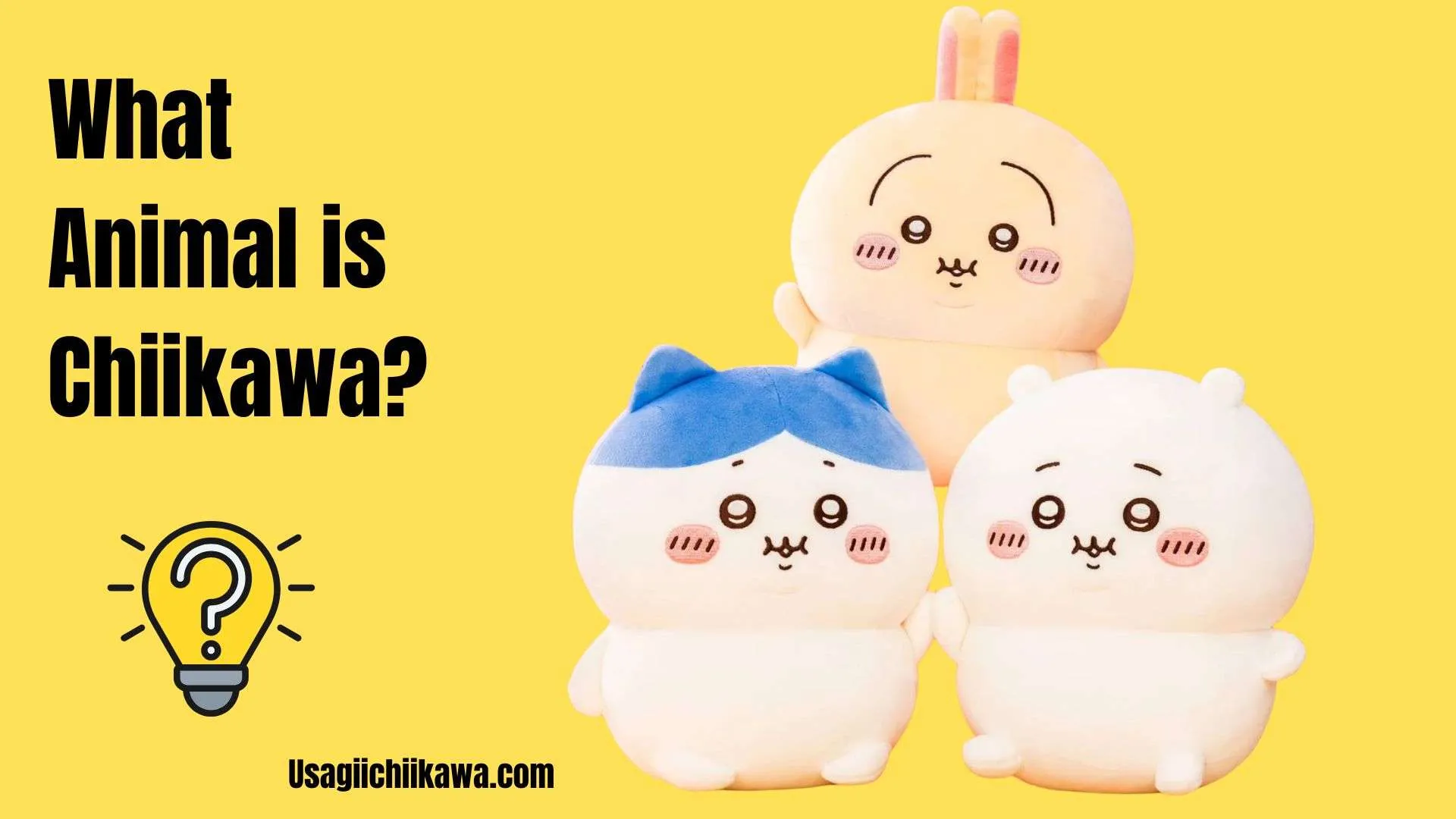
What animal is Chiikawa? The short answer: nobody knows for sure. Despite capturing hearts worldwide with its tearful eyes and round body, creator Nagano has never confirmed what animal Chiikawa actually is. Fans debate whether it’s a mouse, hamster, flying squirrel, or an entirely original creature—and that mystery is exactly what makes Chiikawa so special.
This small, round, perpetually tearful creature has become one of Japan’s most beloved characters, yet its species remains one of the internet’s most delightful mysteries. The ambiguous identity isn’t a problem—it’s the secret behind Chiikawa’s universal appeal.
The Birth of a Chiikawa Phenomenon
Chiikawa debuted in 2020 as a webcomic by Japanese artist Nagano, who began sharing simple, four-panel comics on Twitter (now X). The series follows the daily life of Chiikawa, a tiny creature navigating relatable struggles—like failing exams, making friends, and overcoming fears—with a mix of humor and heartfelt vulnerability.
The name “Chiikawa” is a shortened version of “Nanka Chiisakute Kawaii Yatsu” (なんか小さくてかわいいやつ), which translates to “Something Small and Cute” in Japanese. Breaking it down:
- Chiisai (小さい) = small
- Kawaii (かわいい) = cute
The comics quickly went viral, amassing 1.1 million followers on Twitter. This success spawned manga volumes published by Kodansha, an anime series by studio Doga Kobo that premiered in April 2022, and a massive merch empire. By November 2024, Chiikawa had sold over 3.6 million copies, including digital versions.
What Animal is Chiikawa? The Leading Theories
The question “what animal is Chiikawa” has sparked endless debates across Reddit threads, TikTok videos, and fan forums. Let’s examine each theory based on physical traits, personality clues, and cultural context.
The Mouse Theory
Supporting Evidence:
- Physical appearance: Chiikawa’s small size, rounded ears, and teardrop-shaped tail bear resemblance to a mouse
- Personality traits: The timid nature and tendency to squeak (“wa!”) align with typical mouse behavior
- Pop culture precedent: Mice are common in Japanese culture, from Disney’s Mickey Mouse to local mascots
Counterargument: Mice typically have pointier snouts and more pronounced whiskers. Chiikawa’s face is notably flatter and more childlike, which doesn’t match standard mouse features.
The Hamster Hypothesis
Supporting Evidence:
- Body shape: Chiikawa’s chubby cheeks and round body mirror a hamster’s physique
- Cultural fit: Hamsters symbolize innocence and comfort in Japan, fitting Chiikawa’s role as an emotional anchor
- Kawaii lineage: Popular kawaii mascots like Hamtaro established hamsters as ideal cute characters
Counterargument: Hamsters have shorter tails and more prominent whiskers than what we see on Chiikawa. The tail design doesn’t match.
The Flying Squirrel Suspicion
Supporting Evidence:
- Character connection: Another character in the series, Momonga, is explicitly identified as a Japanese flying squirrel (momonga), creating potential species links
- Ear and tail design: Some fans note similarities to momonga with the round ears and fluffy tail
Counterargument: Flying squirrels have distinctive gliding membranes between their limbs, which Chiikawa completely lacks. The design differs significantly from Momonga’s confirmed flying squirrel appearance.
The Original Creature Theory
Many believe Chiikawa isn’t based on any real animal at all. The design avoids real-world accuracy, leaning into a minimalist kawaii aesthetic with these key features:
| Feature | Design Choice |
| Nose & Whiskers | Completely absent for simplification |
| Eyes | Large, expressive, gender-neutral |
| Face | Flat, childlike features with pink blush |
| Body | Universal appeal through ambiguous features |
This theory suggests Chiikawa is an intentional blank canvas—a mascot for life’s struggles that transcends biological categories.
What Animal is Chiikawa Characters: The Full Cast
Understanding what animal is Chiikawa characters helps explain why species ambiguity works so well in this world. The entire cast consists of creatures called “Chiikawas” (the species), each resembling different animals:
- Hachiware: Has a distinctive split pattern on its head and resembles a bicolor cat, though creator Nagano confirmed it’s not actually a cat
- Usagi: The name literally means “rabbit” in Japanese, and has bunny-like ears, but its true species remains unclear
- Rakko: A skilled hunter whose appearance and name suggest an otter
- Momonga: Explicitly identified as a Japanese flying squirrel
The fact that Chiikawas as a species can resemble various animals while not actually being those animals is central to the series’ design philosophy.
What Animal is Chiikawa Based On: Creator Intent
When asking what animal is Chiikawa based on, we need to consider Nagano’s artistic philosophy. The series emphasizes emotional experiences over physical classification. In a 2022 interview, Nagano hinted that Chiikawa is “whatever you need it to be”—a friend, a mirror, or just something cute to look at.
This intentional ambiguity serves multiple purposes:
Focus on Emotional Growth: The series prioritizes Chiikawa’s journey through anxiety, friendship, and self-improvement rather than biological details.
Open Interpretation: Fans project their own insecurities and triumphs onto Chiikawa, creating a deeper personal connection than any fixed species could provide.
Universal Relatability: Without a defined identity, Chiikawa becomes a symbol that anyone—regardless of background—can identify with.
What Animal is Chiikawa and Friends: Design Philosophy
The question what animal is Chiikawa and friends reveals how Japanese kawaii culture works. Characters like Hello Kitty (technically a girl but her species rarely emphasized) and Rilakkuma (a bear-like creature with mysterious origins) thrive by defying rigid labels. Chiikawa follows this proven tradition.
Key design elements that support ambiguity:
- Simplified features that avoid species-specific details
- Bipedal stance despite animal-like appearance
- Ability to eat human food including chocolate, onions, and spicy dishes
- Speech patterns limited to simple sounds rather than animal noises
What Animal is Chiikawa in Japanese Culture
To understand what animal is Chiikawa in Japanese context, we need to recognize how kawaii culture prioritizes emotional resonance over biological accuracy. The term “Chiikawa” itself describes a feeling—something small and cute—rather than a taxonomic classification.
In Japan, mascot characters often blend features from multiple sources to create maximum cuteness while maintaining universal appeal. Chiikawa’s design blends:
- Cat-like muzzle shape
- Mouse-like ears
- Hamster-like body proportions
- Unique spherical tail
This combination creates something familiar yet unidentifiable—a character that feels like it could exist while remaining wonderfully mysterious.
Fan Reactions: Embracing the Mystery
The lack of answers to “what animal is Chiikawa” hasn’t frustrated fans—it’s fueled creativity:
Fan Art: Artists reimagine Chiikawa as everything from a rabbit to a ghost, each interpretation valid in its own way.
Playful Nicknames: Fans affectionately call Chiikawa a “potato” or “blob” due to its simple, rounded shape.
Merchandise Freedom: The ambiguous design allows plushies, keychains, and apparel to appeal to broader audiences without alienating anyone who sees Chiikawa differently.
Community Building: The shared mystery creates conversation and connection among fans worldwide.
What Animal is Chiikawa Usagi: The Rabbit Question
When fans ask what animal is Chiikawa Usagi, they’re referring to one of the main trio. While “Usagi” literally means “rabbit” in Japanese and the character has bunny-like ears, Nagano hasn’t confirmed this either. Usagi displays incredible strength and intelligence that go beyond typical rabbit characteristics, suggesting it’s another ambiguous Chiikawa species member.
Nagano’s Silence: A Masterstroke in Storytelling
The refusal to answer “what animal is Chiikawa” is strategic genius. This ambiguity reflects a broader cultural shift toward embracing fluid identities. In a world obsessed with categorization, Chiikawa reminds us that joy, fear, and love transcend labels.
The series has expanded to include 138+ anime episodes, eight manga volumes, and countless merchandise collaborations with companies like Sanrio, Uniqlo, and even Ariana Grande. None of this success required knowing Chiikawa’s exact species.
The Answer That Doesn’t Matter
So, what animal is Chiikawa? The truth is—it doesn’t matter. Chiikawa’s power lies in its ability to be everything and nothing at once:
- A tiny hero for the anxious
- A comfort object for the lonely
- A kawaii icon for all ages
- A symbol of perseverance through life’s struggles
Whether you see a mouse, a hamster, a flying squirrel, or a magical blob, Chiikawa’s charm remains universal. The character’s impact comes not from biological classification but from its authentic portrayal of vulnerability, friendship, and growth.
The pastel-colored world Chiikawa inhabits isn’t about scientific accuracy—it’s about emotional truth. Every failed exam, tearful moment, and small victory resonates because we’ve all been there. Chiikawa’s species ambiguity allows it to represent different things to different people, making it the perfect mascot for our complex, multifaceted lives.
The mystery continues to captivate audiences worldwide, proving that sometimes the questions we can’t answer become more meaningful than any definitive response ever could.